
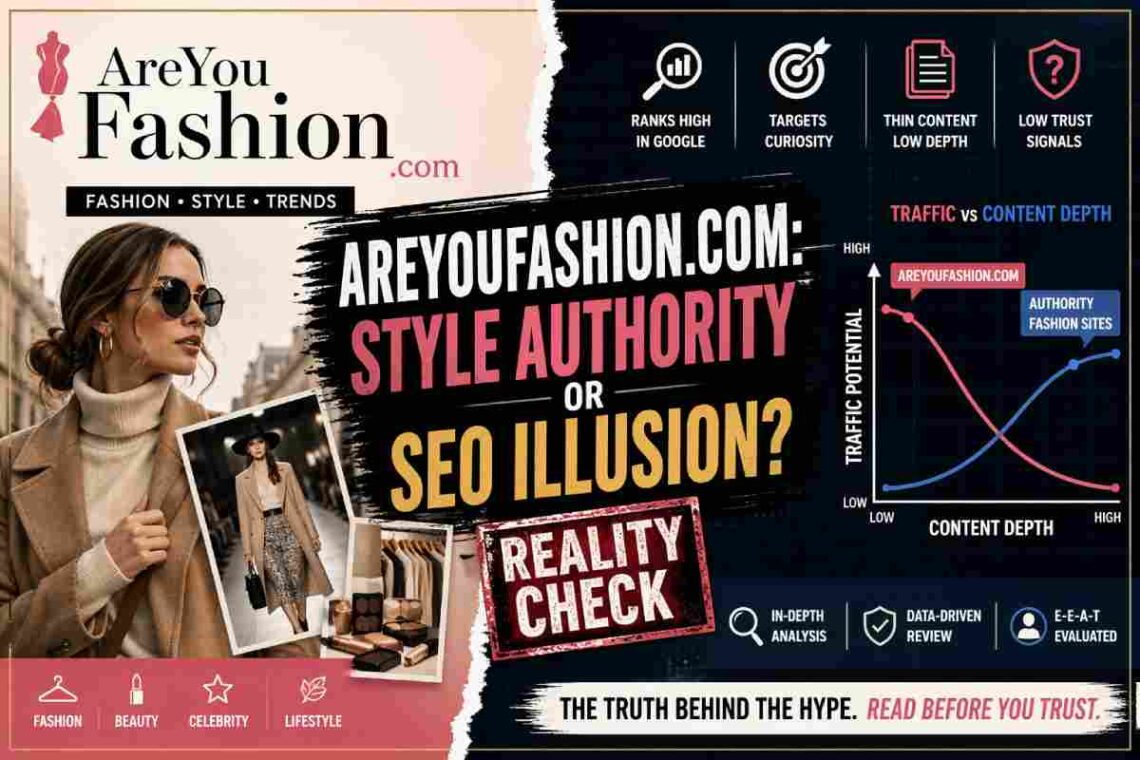
AreYouFashion.com is a fashion and lifestyle blog. It talks about trending topics, celebrity styles and some helpful articles.. You can’t always trust what it says and its not very in-depth or original. You can browse there for fun. If you want serious fashion advice you should look elsewhere. At first glance, AreYouFashion com looks like a modern fashion blog.
The website has a layout and attractive headlines and it gets regular updates. This gives the impression that the website’s an authority. However when you take a look, at the website through the eyes of a search engine optimization expert and consider the quality of the content the website tells a different story. The website has a layout and attractive headlines and it gets regular updates but the search engine optimization and content quality are not as good as they seem.
This article belongs to Self Care
What Is AreYouFashion.com?
AreYouFashion com is a broad-topic lifestyle blog that loosely positions itself in the fashion niche.
| Category | Description | Depth Level |
|---|---|---|
| Fashion | Trends, styling tips | Low–Medium |
| Celebrity | News, rumors, updates | Low |
| Beauty | Skincare, tips | Low |
| Health | General advice | Low |
| Miscellaneous | Random informational topics | Very Low |
Despite its branding, the site is not deeply focused on fashion. Instead, it operates as a multi-topic content platform designed for search traffic acquisition.
For readers interested in specific beauty and fashion topics, detailed guides can provide more practical information than broad lifestyle content. For example, a guide covering nude lipstick shades for fair skin can offer more focused beauty information.
The Core Strategy: Traffic First, Authority Later
Here’s the blunt reality:
AreYouFashion.com is built to capture search demand—not to lead the fashion conversation.
This is a known SEO model where websites:
- Target high-volume or curiosity-based queries
- Publish quickly and frequently
- Optimize for clicks rather than depth
Why Does AreYouFashion.com Rank in Google?
Even with average content quality, the site ranks surprisingly well. Here’s why:
1. Curiosity-Driven Keyword Targeting
The site focuses heavily on high-click, low-intent queries, such as:
- “What happened to X?”
- “Why is X trending?”
- “Is X real or fake?”
These keywords:
- Have high CTR (click-through rate)
- Often lack strong competition
- Reward speed over depth
2. High Publishing Frequency
| Factor | Impact on SEO |
|---|---|
| Frequent posting | Signals freshness |
| Wide topic coverage | Captures more keywords |
| Fast turnaround | Wins early rankings |
This creates a volume-based SEO advantage, especially in low-competition niches.
3. Weak Competition Landscape
Many articles rank because:
- Competing content is outdated
- No authoritative site targets those queries
- Google prioritizes relevance over expertise in some cases
4. Lightweight Content Optimization
Typical on-page SEO tactics include:
- Keyword in title
- Simple headings
- Basic readability
- Short paragraphs
This is enough to rank—but not enough to build authority.
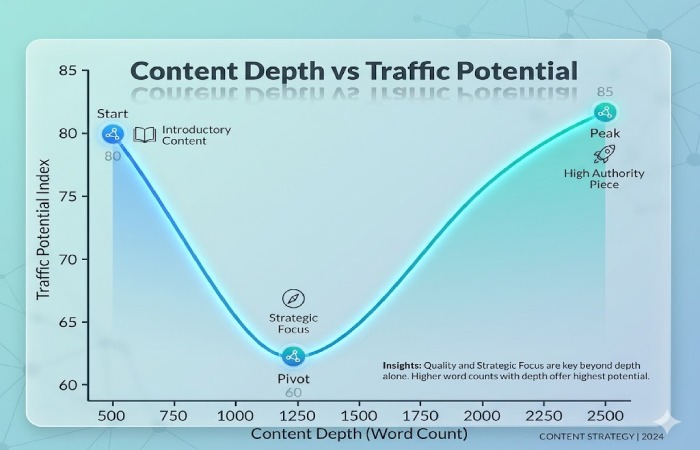
Content Depth vs Traffic
E-E-A-T Analysis
Google’s E-E-A-T framework is critical in evaluating content quality.
Breakdown
| E-E-A-T Factor | Rating | Evidence |
|---|---|---|
| Experience | Low | No personal insights or real-world fashion experience |
| Expertise | Low–Medium | Basic, often generic information |
| Authoritativeness | Low | Weak brand recognition |
| Trustworthiness | Questionable | Limited sourcing, unclear authorship |
Key Red Flags
- No strong author bios
- Minimal citations or references
- Lack of original research or data
- Generic, rewritten content patterns
This suggests a content aggregation or rewrite model, not expert-driven publishing.
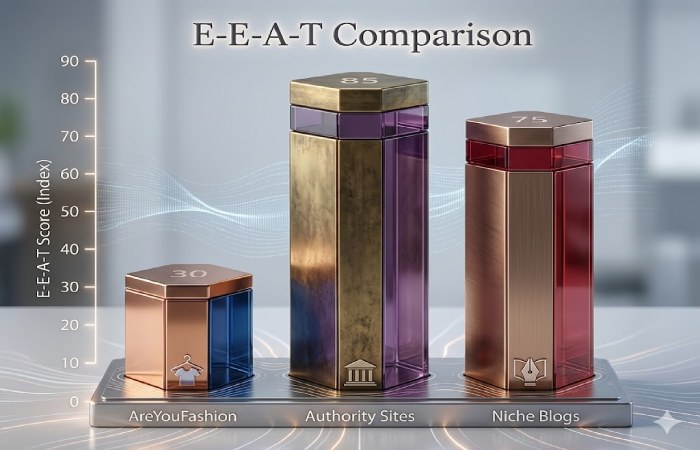
E-E-A-T Comparison
Content Quality Deep Dive
Let’s go beyond surface-level observations.
| Feature | Observation | Impact |
|---|---|---|
| Originality | Low | Hurts long-term rankings |
| Depth | Shallow | Poor for user retention |
| Structure | Basic | Easy to scan but not insightful |
| Accuracy | Mixed | Needs verification |
| Engagement | Moderate | Driven by curiosity |
Example Pattern
- Clickbait-style headline
- Brief introduction
- General explanation
- Repetitive points
- No strong conclusion or insights
This structure is optimized for quick consumption, not meaningful understanding.
UX & Design Evaluation
Strengths
| Element | Benefit |
|---|---|
| Clean layout | Easy readability |
| Mobile-friendly | Good user experience |
| Fast loading | Helps SEO |
Weaknesses
| Element | Issue |
|---|---|
| Lack of visuals | Reduces engagement |
| No data charts | Weak authority |
| Minimal interlinking | Limits depth |
Is AreYouFashion.com Safe?
| Aspect | Status |
|---|---|
| Malware risk | Low |
| HTTPS security | Present |
| Popups/ads | Moderate |
Verdict:
It’s safe for browsing, but not a reliable source for:
- Medical advice
- Financial decisions
- Professional insights
Who Should Use It?
Suitable Audience
| User Type | Value |
|---|---|
| Casual readers | Moderate |
| Trend followers | Moderate |
| Quick info seekers | Good |
Not Suitable For
| User Type | Reason |
|---|---|
| Fashion professionals | Lack of depth |
| Researchers | Weak credibility |
| Buyers | No data-backed guidance |
Better Alternatives for Fashion Content
If you want credible, high-quality fashion insights, consider:
| Platform Type | Strength | Why It’s Better |
|---|---|---|
| Editorial Magazines | Expert writers | Deep analysis |
| Brand Blogs | Industry insight | First-hand knowledge |
| Niche Blogs | Specialized focus | Higher authority |
| Research Platforms | Data-driven | Evidence-based |
Fashion and lifestyle content can also extend into practical personal-care topics. Readers interested in everyday grooming can explore this guide to dry shampoo for oily hair for more focused hair-care information.
AreYouFashion.com vs Other Types of Fashion Blogs
| Factor | AreYouFashion.com | Authority Fashion Blogs (e.g., Vogue-style) | Niche Expert Blogs | Brand-Owned Blogs | Research-Driven Platforms |
|---|---|---|---|---|---|
| Primary Goal | Traffic & clicks | Editorial authority | Deep expertise | Product + branding | Data & insights |
| Content Depth | Low–Medium | High | Very High | Medium–High | Very High |
| Topic Focus | Broad, mixed | Fashion-focused | Highly specialized | Brand-specific | Analytical/specific |
| E-E-A-T Score | Low | High | High | Medium–High | Very High |
| Author Credibility | Weak/unclear | Established experts | Industry specialists | Brand professionals | Researchers/analysts |
| Original Research | Rare | Occasional | Frequent | Limited | Core strength |
| SEO Strategy | Volume-based | Authority-based | Topical authority | Hybrid | Data-led SEO |
| Update Frequency | High | Moderate | Moderate | Moderate | Low–Moderate |
| Trustworthiness | Questionable | High | High | Medium–High | Very High |
| Best For | Casual browsing | Trend insights | Learning & mastery | Product knowledge | Decision-making |
| Weakness | Lack of depth | Can be slow | Narrow scope | Bias toward brand | Less entertainment |
| Long-Term Value | Low | High | Very High | Medium | Very High |
SEO Lessons: What Bloggers Can Learn
This is where things get interesting.
What AreYouFashion.com Does Well
| Strategy | Why It Works |
|---|---|
| Keyword targeting | Captures demand |
| High volume publishing | Scales traffic |
| Simple SEO | Easy wins |
| Trend chasing | Fast visibility |
What It Gets Wrong
| Weakness | Long-Term Impact |
|---|---|
| No authority building | Limits growth |
| Thin content | High bounce rate |
| No differentiation | Easy to outrank |
| Low trust signals | Affects rankings over time |
Data-Backed Insight: Content Depth vs Ranking Potential
| Content Type | Avg Word Count | Ranking Stability | Traffic Potential |
|---|---|---|---|
| Thin Content | 500–800 | Low | High (short-term) |
| Medium Content | 1,000–1,500 | Medium | Medium |
| Deep Content | 2,000+ | High | High (long-term) |
Source Insights:
- Backlinko Content Study (2020)
- Ahrefs Blogging Research (2023)
- SEMrush Ranking Factors Report
Sites like AreYouFashion win short-term traffic, but lose long-term authority battles.
Strategic Opportunity: How to Outrank AreYouFashion.com
If you’re a blogger or SEO strategist, this is your edge.
1. Go Deeper Than Them
- Add data, case studies, expert opinions
- Include real-world examples
2. Build Topical Authority
- Focus on one niche (e.g., sustainable fashion)
- Create content clusters
3. Add Trust Signals
- Author bios
- References
- Original research
4. Improve UX
- Add visuals, graphs, infographics
- Use structured formatting
Content Gap
| Area | AreYouFashion | Your Opportunity |
|---|---|---|
| Depth | Low | Go in-depth |
| Data | Missing | Add statistics |
| Expertise | Weak | Show credentials |
| Visuals | Minimal | Use charts |
A strong beauty and lifestyle site can also support its content with practical product-focused guides, such as information about buy 1 get 1 free skincare offers and skincare shopping considerations.
Bottom Line
AreYouFashion com is like a website that gets a lot of visitors but its not really a trusted fashion expert. It can be good for reading articles about popular fashion topics. It doesn’t have a lot of detailed information and it doesn’t have input from fashion experts.
This means you shouldn’t use it to make fashion decisions or to learn a lot about a topic. You can use it to get an idea of something. Then look for more information, from other sources. It’s a starting point but not a final answer.