
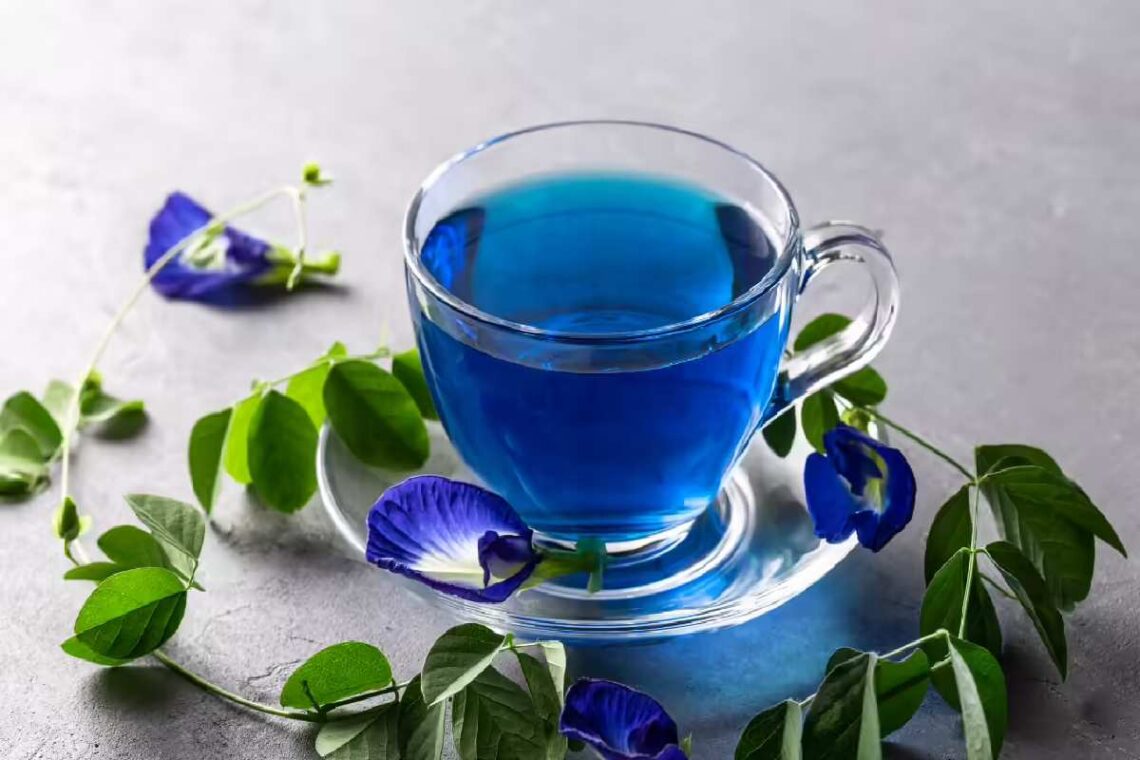
In the diverse and colorful world of herbal teas, one variety stands out for its mesmerizing hue and remarkable health benefits: Blue Tea. Also known as Butterfly Pea Tea, this vibrant caffeine-free beverage has been cherished for centuries in Southeast Asia and is now gaining global popularity . Beyond its stunning sapphire color, which can magically transform into purple with a squeeze of lemon, blue tea offers a treasure trove of wellness properties .
What is Blue Tea?
Blue tea is an herbal infusion, or tisane, made by steeping the dried petals of the Clitoria ternatea L. plant, commonly known as the butterfly pea flower . Native to South Asia, this flower is easily recognized by its vivid blue color. The tea’s striking hue comes from its high concentration of anthocyanins—the same powerful antioxidants found in blueberries and purple cabbage .
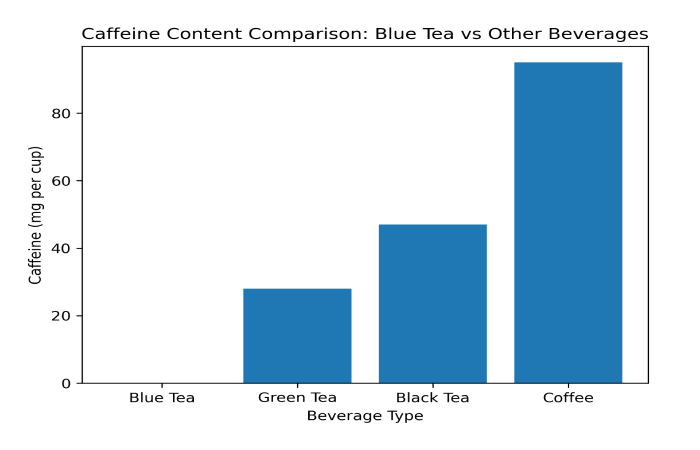
Unlike traditional teas (black, green, oolong) which come from the Camellia sinensis plant, blue tea is an herbal tea, meaning it is naturally caffeine-free . One of its most entertaining features is its pH sensitivity; adding a citrus juice like lemon or lime lowers the pH, turning the tea from blue to a delightful violet or pink .
Benefits of Blue Tea
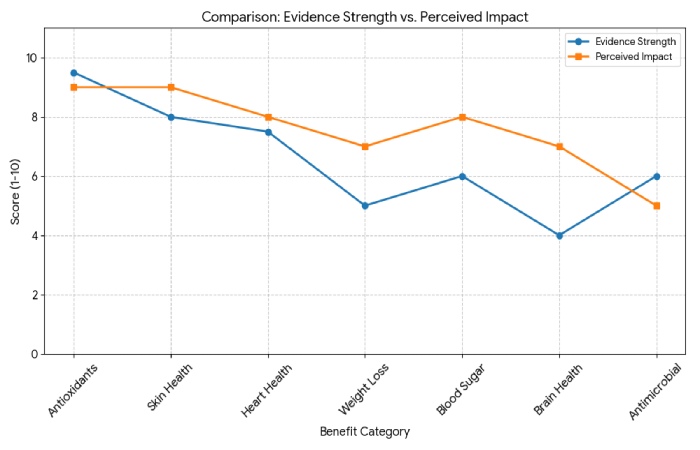
The benefits of blue tea are largely attribute to its rich antioxidant profile. While many studies use concentrated extracts, drinking the tea is an excellent way to enjoy these potential health advantages.
| Benefit Category | Specific Benefits | Key Insights & Mechanisms |
| Rich in Antioxidants | Cell Protection: Fights oxidative stress. Disease Support: May lower risk of chronic diseases. | Helps protect cell membranes from damage (lipid peroxidation), which is linked to aging and disease development. |
| Heart Health | Blood Pressure Support: May help regulate BP. Heart Protection: May improve cholesterol and circulation. | Shows vasorelaxation (widening blood vessels) and antithrombotic effects that support cardiovascular function. |
| Blood Sugar & Diabetes Management | Slower Sugar Absorption: May block carb-digesting enzymes. Stable Glucose Levels: Helps control post-meal sugar spikes. | Anthocyanins contribute to this effect, though results vary in human studies. Diabetic patients should consult a doctor. |
| Brain Health & Cognitive Function | Memory Support: May help learning and focus. Brain Protection: Protects brain cells from damage. | Early studies show neuroprotective effects, but more human research is needed. |
| Skin & Hair Nourishment | Anti-Aging: Helps reduce wrinkles. Collagen Support: Improves skin elasticity. Hair Care: May promote hair strength and shine. | Proanthocyanidins help reduce oxidative stress that affects skin aging and hair health. |
| Weight Loss | Metabolism Boost: May support fat metabolism. Fat Control: Could reduce fat absorption. | Works best alongside a healthy diet and exercise rather than as a standalone solution. |
| Women’s Health | Beauty Support: Helps skin and hair health. Relaxation: Caffeine-free calming drink. Hydration: Healthy daily beverage option. | Antioxidants support overall wellness while providing a natural alternative to sugary drinks. |
| Antimicrobial Properties | Infection Defense: May fight bacteria and fungi. | Supports its traditional use in herbal medicine, though it should not replace medical treatments. |
Sources discussing the antioxidant and metabolic benefits include research summaries from organizations such as the National Institutes of Health and the World Health Organization.
What are the types of blue tea?
The term “blue tea” can refer to two different beverages, which can sometimes cause confusion .
| Type | Description | Key Characteristics |
| Butterfly Pea Flower Tea (True Blue Tea) | A pure herbal infusion or tisane made only from the petals of the butterfly pea flower. This type is naturally caffeine-free and brews into a vivid, true blue color . | Herbal infusion (tisane), Caffeine-free, Vivid blue color. |
| Blue Blended Tea (Oolong Blend) | A traditional tea (usually Oolong, which is sometimes called “blue tea” due to its oxidation level) that is blended with dried butterfly pea flowers . The flowers add a blue tint and a floral aroma to the tea . | True tea (from Camellia sinensis), Contains caffeine, Color ranges from light yellow to deep blue depending on blend. |
What are the prices and where to buy Globally
Blue tea is readily available for purchase, both in local specialty stores and through various online retailers. Prices can vary based on brand, quality (organic vs. non-organic), and packaging.
| Type | Price Range (Approx.) | Where to Buy |
| Loose Dried Flowers | India: ₹229 for 100g pack . Global: Prices vary by retailer. | Online marketplaces (e.g., Amazon, IndiaMART), specialty tea brands (e.g., Blue Tea India), health food stores . |
| Tea Bags | Varies by brand and quantity. | Supermarkets, online retailers, brand-specific websites. |
| Blended Teas (e.g., with Oolong) | Varies widely based on tea quality and brand (e.g., premium brands like Mariage Frères) . | Specialty tea shops, high-end department stores, online tea retailers. |
Comparison: Blue Tea vs. Other Teas
How does blue tea stack up against more common teas like green and black tea? The main differences lie in their source, caffeine content, and flavor profile.
| Feature | Blue Tea (Butterfly Pea) | Green Tea | Black Tea |
| Source | Clitoria ternatea (flower) | Camellia sinensis (leaf) | Camellia sinensis (leaf) |
| Caffeine | Caffeine-free | Contains caffeine | Contains caffeine |
| Oxidation | Not applicable (herbal) | Unoxidized (processed to stop oxidation) | Fully oxidized |
| Flavor | Earthy, woody, similar to a fine green tea | Grassy, vegetal, sometimes astringent | Bold, malty, sometimes smoky |
| Key Antioxidants | Anthocyanins (delphinidin) | Catechins | Theaflavins |
How to make blue tea
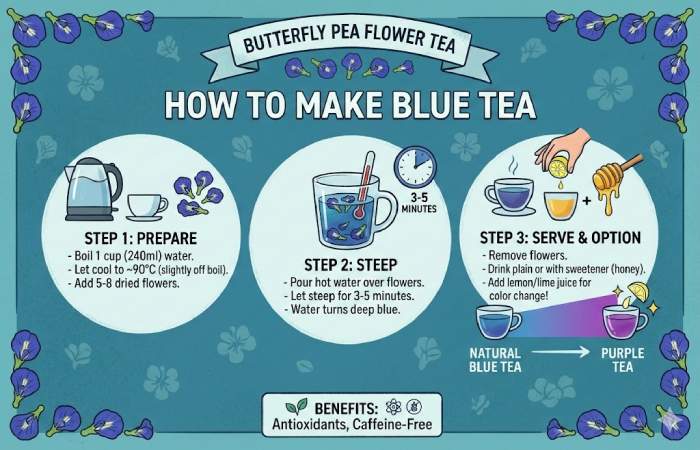
Making blue tea at home is incredibly simple and allows for creative variations. You can enjoy it hot or cold.
Ingredients:
- 1 cup (240 ml) boiling water
- 3-5 dried butterfly pea flowers, OR 1 teaspoon of dried flowers, OR 1 blue tea bag
- Sweetener of choice (honey, sugar, maple syrup) to taste (optional)
- Juice from half a lemon or lime (optional, for color change and flavor)
Instructions:
- Steep: Place the dried butterfly pea flowers or tea bag into a cup or teapot. Pour the boiling water over them.
- Wait: Let it steep for 3-5 minutes, or until the water turns a deep, brilliant blue .
- Sweeten (Optional): Remove the flowers or tea bag. Stir in your desired sweetener until dissolved .
- Serve and Customize: Enjoy it hot, or let it cool and pour over ice for a refreshing iced tea. For a magic trick, add a squeeze of lemon or lime juice and watch your tea slowly transform from blue to purple .
How to Enjoy Blue Tea
Beyond the classic hot or iced tea, blue tea is a versatile ingredient that can elevate your culinary experiences. Here are some creative ways to enjoy it:
- Color-Changing Lemonade: Brew a strong batch of blue tea, sweeten it, and chill it. Fill a glass with ice and fresh lemonade, then slowly pour the blue tea on top. Watch the stunning gradient and color change as the acidity of the lemonade mixes with the tea.
- Blue Lattes: Create a dairy-free “blue latte” by mixing a shot of concentrated blue tea with your favorite frothed milk (oat, almond, or coconut milk work well). It’s as delicious as it is beautiful.
- Cocktails and Mocktails: Use blue tea as a natural colorant in drinks. Freeze it into ice cubes that will slowly turn a cocktail purple as they melt, or use it as a base for sophisticated, alcohol-free punches .
- Culinary Creations: Get adventurous and use the tea to color rice for dishes like nasi kerabu, or add it to cake batters and icing for a natural blue hue .
Can you drink blue tea every day?
Yes, blue tea is generally consider safe for daily consumption when drunk in moderation .
| Aspect | Details |
| Safety | There are no reported severe side effects from drinking blue tea regularly . |
| Moderation | Drinking 1-3 cups per day is a reasonable amount for most people to enjoy its benefits without risk. |
| Consideration | Because it is caffeine-free, it is a suitable choice for any time of day, including evening . |
Worldwide History
The history of blue tea is deeply rooted in the traditions of Southeast Asia. For centuries, the butterfly pea flower (Clitoria ternatea) has been used not only as a beverage but also as a natural food colorant and in traditional Ayurvedic medicine . In countries like Thailand, Malaysia, and Vietnam, the tea has long been a staple.
Therefore, in Thailand, it is commonly known as “nam dok anchan” and is often served as a soothing after-dinner drink, mixed with honey and lemon . In Malaysia, the flower’s blue dye is traditionally used to color glutinous rice for the dish nasi kerabu . For most of its history, this vibrant tea remained a regional secret.
However, in recent years, thanks to travel blogs, food shows, and its stunning visual appeal on social media, butterfly pea tea has been “discovered” by the West and is now enjoyed globally as a healthy and fascinating beverage .
Blue Tea Side Effects
Blue tea is celebrate for being a very safe beverage for most people. However, as with any food or drink, there are a few minor considerations to keep in mind.
| Side Effect | Description |
| Digestive Issues (Rare) | When consumed in very large amounts, some anecdotal evidence suggests it may cause nausea, stomach ache, or diarrhea . This is typical of many herbal teas when consumed excessively. |
| Medical Caution | Due to its potential effects on blood sugar and insulin, individuals with diabetes should monitor their levels when first introducing it to their routine and consult their healthcare provider . |
| Pregnancy and Breastfeeding | There is not enough reliable research on its safety during pregnancy and breastfeeding. It is best to stick to food amounts or consult a doctor. |
| Surgical Considerations | Because it may interfere with blood sugar control, it is advised to stop drinking blue tea at least two weeks before a scheduled surgery . |
Reviews
Here is a summary of what people are saying about blue tea, combining anecdotal feedback with expert opinions:
- Beautiful Color: People love its vibrant blue color and the fun purple change when citrus is adding.
- Caffeine-Free: Safe to drink anytime, even at night, since it contains no caffeine.
- Mild Taste: Has a light, earthy flavor similar to mild green tea and isn’t bitter.
- Versatile: Popular in drinks and recipes like mocktails, lattes, and desserts.
- Wellness Appeal: Many enjoy it for its antioxidant benefits, though some health claims still need more research.
Conclusion
Blue tea is far more than just a pretty drink. This ancient herbal infusion, made from butterfly pea flowers, offers a wealth of antioxidants that support overall wellness, from promoting heart health and potentially aiding blood sugar management to enhancing skin health through its anti-aging properties. So its versatility is unmatched—enjoy it hot, iced, in a latte, or as a natural food dye.