
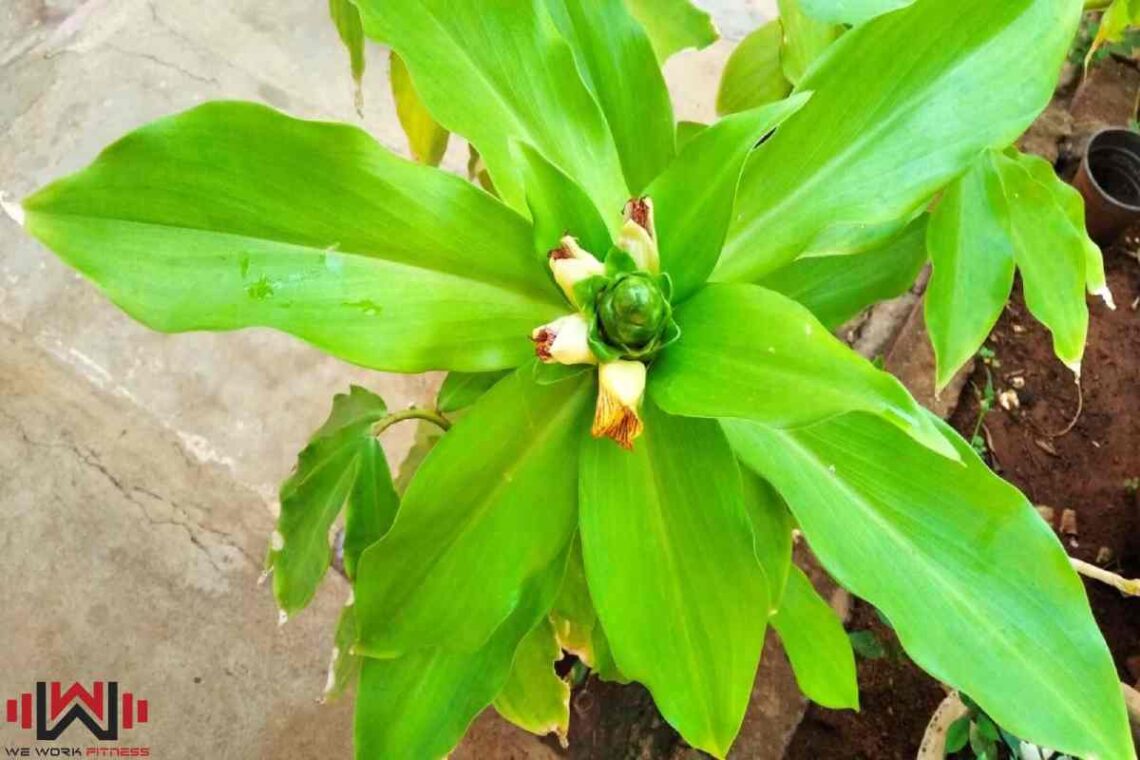
The insulin plant is commonly known as Costus igneus. The leaves of the Insulin Plant contain corosolic acid, which helps generate insulin and thereby treat diabetes. It is believed that consuming the leaves of the insulin plant helps lower blood glucose levels. The family Costaceae includes Costus igneus, commonly known as the insulin plant in India. People often say that the leaves help lower blood sugar, and those with diabetes who added them to their diet did see a decline in their blood sugar levels.
This article belongs to Vitamins & Minerals
What Is the Insulin Plant?
The insulin plant (Costus igneus/Costus pictus) is a tropical medicinal herb widely cultivated across India, Southeast Asia, and parts of South America. Traditionally used in Ayurveda and folk medicine, it has gained global attention due to its potential role in blood sugar regulation.
Scientifically, the plant contains bioactive compounds such as flavonoids, alkaloids, and phenolics that may influence glucose metabolism and insulin sensitivity. Evidence from peer-reviewed research available through the U.S. National Library of Medicine supports the potential of plant-derived compounds in improving glycemic control and metabolic function. It is not a substitute for insulin therapy and should instead be understood as a supportive herbal intervention, particularly for individuals with prediabetes or early-stage type 2 diabetes.
Key Uses and Health Benefits
The insulin plant offers multiple health benefits beyond glucose control, supported by preclinical and traditional evidence.
| Benefit | Mechanism | Evidence Level | Practical Impact |
| Blood sugar control | Improves glucose uptake & insulin activity | Moderate | Helps manage type 2 diabetes |
| Antioxidant activity | Neutralizes oxidative stress | Strong | Protects organs (liver, pancreas) |
| Anti-inflammatory | Reduces chronic inflammation | Moderate | Supports metabolic health |
| Lipid control | Improves cholesterol profile | Limited | Heart health support |
| Antimicrobial | Fights bacteria & infections | Moderate | Immune support |
| Digestive aid | Enhances gut function | Limited | Mild digestive relief |
Research indicates it may enhance insulin secretion and inhibit carbohydrate-digesting enzymes, improving glycemic control.
Price and Where to Buy
In India, the plant is commonly available in nurseries in Kerala, Tamil Nadu, and Karnataka.
| Form | India Price | USA Price | Global Avg | Where to Buy Online | Where to Buy Offline | Availability Notes |
| Live Plant | ₹150 – ₹500 | $10 – $25 | Low | Amazon, Etsy | Local nurseries, botanical gardens | Common in South India (Kerala, Tamil Nadu, Karnataka) |
| Leaf Powder (100g) | ₹200 – ₹600 | $8 – $20 | Moderate | Amazon, Ayurvedic stores | Herbal medicine shops | Widely available globally |
| Capsules | ₹300 – ₹800 | $10 – $30 | Moderate | Amazon, Ayurvedic stores | Pharmacies, herbal stores | Convenient but less traditional |
Detailed Benefits
| Benefit | Description | How It Works | Health Impact |
| Blood Sugar Management | Supports the regulation of blood glucose levels, especially in people with type 2 diabetes | Improves insulin sensitivity, enhances glucose uptake, and may reduce post-meal sugar spikes | Helps in better glycemic control when combined with proper treatment |
| Antioxidant Protection | Protects the body from oxidative stress, which contributes to diabetes complications | Contains flavonoids and phenolic compounds that neutralize free radicals | Reduces cellular damage and supports long-term metabolic health |
| Cardiovascular Support | Contributes to better heart health, particularly for diabetic individuals | Helps improve lipid profiles and reduce oxidative stress in blood vessels | Lowers risk factors associated with heart disease |
| Antimicrobial and Immune Support | Helps the body fight infections and supports immune function | Contains bioactive compounds with antimicrobial properties | Enhances resistance against pathogens and supports overall immunity |
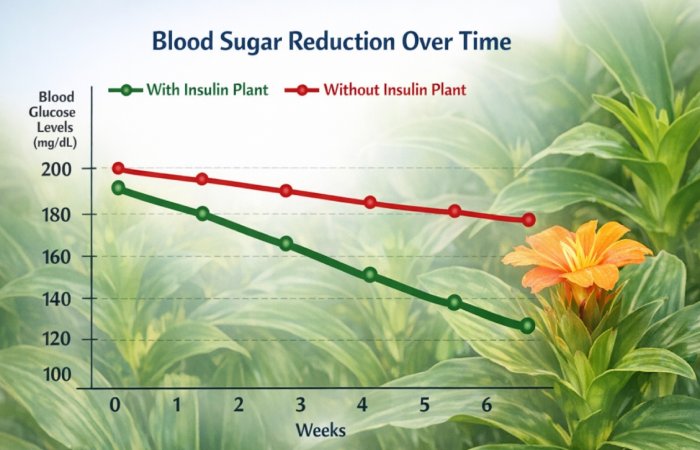
Gradual blood sugar reduction over time when the insulin plant is used as a supportive therapy alongside standard care.
How to Use and Consume
| Method | Dosage | Best Time | Effectiveness |
| Fresh leaves | 1–2 leaves | Morning empty stomach | High |
| Powder | 1 tsp | With water after meals | Moderate |
| Tea | 1 cup daily | Morning or evening | Moderate |
| Capsules | As prescribed | After meals | Convenient |
The most effective traditional method is chewing fresh leaves daily, as it ensures maximum bioavailability of active compounds. Powder and capsules offer convenience but may have slightly reduced potency. Combining use with proper diet and exercise significantly improves outcomes.
What Does Science Actually Say?
| Study Type | Findings | Strength |
| Animal studies | Significant glucose reduction | Moderate |
| Small human trials | Improved glycemic control | Limited |
| Lab studies | Strong antioxidant activity | High |
| Clinical trials | Insufficient large-scale data | Weak |
The hype is ahead of the science. While promising, the insulin plant is best positioned as a complementary therapy rather than a primary treatment.
Side Effects and Safety Considerations

Important Precautions
| Risk | Explanation | Who Should Avoid |
| Hypoglycemia | Excess sugar drop | Diabetic patients on medication |
| Digestive issues | Nausea, diarrhea | Sensitive individuals |
| Drug interaction | Interferes with diabetes drugs | All medicated patients |
| Unknown long-term effects | Limited research | General population |
Always consult a healthcare professional before use. The plant can amplify the effects of diabetes medication, potentially causing low blood sugar.
Cultivation and Care
| Factor | Requirement |
| Climate | Tropical & subtropical |
| Sunlight | Partial shade |
| Soil | Well-drained, organic-rich |
| Watering | Moderate |
| Propagation | Stem cuttings |
| Growth time | 3–6 months |
The plant thrives in warm, humid climates and is suitable for home gardens. It can also be grown indoors with sufficient sunlight.
Common Myths
Myth 1: “It replaces insulin injections.”
False — it does not replicate insulin function.
Myth 2: “Results are immediate.”
Effects are gradual and vary from individual to individual.
Myth 3: “More leaves = better results.”
Overuse can cause dangerous drops in blood sugar.
Comparison with Other Diabetes Herbs
| Herb | Effectiveness | Scientific Evidence | Ease of Use |
| Insulin plant | Moderate | Limited clinical | Easy |
| Bitter gourd | High | Strong | Moderate |
| Fenugreek | High | Strong | Easy |
| Cinnamon | Moderate | Moderate | Very easy |
While effective, the insulin plant has less clinical validation compared to fenugreek and bitter gourd. However, it stands out due to its ease of cultivation and accessibility.
Review of the Insulin Plant
Positive feedback:
- Helped stabilize blood sugar levels
- Easy to grow and consume
Mixed feedback:
- Works only with diet and lifestyle changes
Negative feedback:
- Mild digestive issues when overused
Overall, effectiveness depends heavily on consistency and lifestyle habits.
FAQs
- Can the insulin plant cure diabetes?
No. It helps manage blood sugar but does not cure diabetes.
- How long does it take to work?
Typically, 2–8 weeks, depending on usage and lifestyle.
- Is it safe for daily use?
Yes, in moderate amounts with medical guidance.
- Can it be taken with diabetes medication?
Only under supervision due to the risk of low blood sugar.
- Which form is best?
Fresh leaves are most effective; capsules are more convenient.
Final Verdict
The insulin plant (Costus igneus) is a promising herbal remedy with growing global recognition for its role in blood sugar management. While it offers benefits such as improved insulin sensitivity, antioxidant protection, and metabolic support, it should not be considered a replacement for medical treatment. Its effectiveness is most noticeable when used as part of a broader lifestyle strategy that includes diet, exercise, and proper medical supervision. The current scientific evidence is encouraging but still limited, making cautious and informed use essential.